
After the successful 2018 4 Day Week pilot at Perpetual Guardian Group in New Zealand, Charlotte and her partner Andrew Barnes expanded the idea into a global movement and co-founded 4 Day Week Global, the not-for-profit community providing a platform for like-minded people who are interested in supporting the idea of the 4 day week as a part of the future of work.
Shaping a New Standard for Work and Life
As the founding CEO and Managing Director of 4 Day Week Global, Charlotte played a key role in building the international organisation behind it, supporting pilot programmes, partnerships, and a worldwide conversation about productivity, trust, and wellbeing.
Her service and achievements in these roles include running pilot programmes for businesses which are informed by and contribute to global research by academic institutions; influencing policy change in Japan, India, Russia, and several European countries, and legislative change in the United States, the United Kingdom, and Australia; and addressing issues of mental health, gender pay equity and low pay, climate change, worker wellbeing, and business productivity.
What People Are Saying
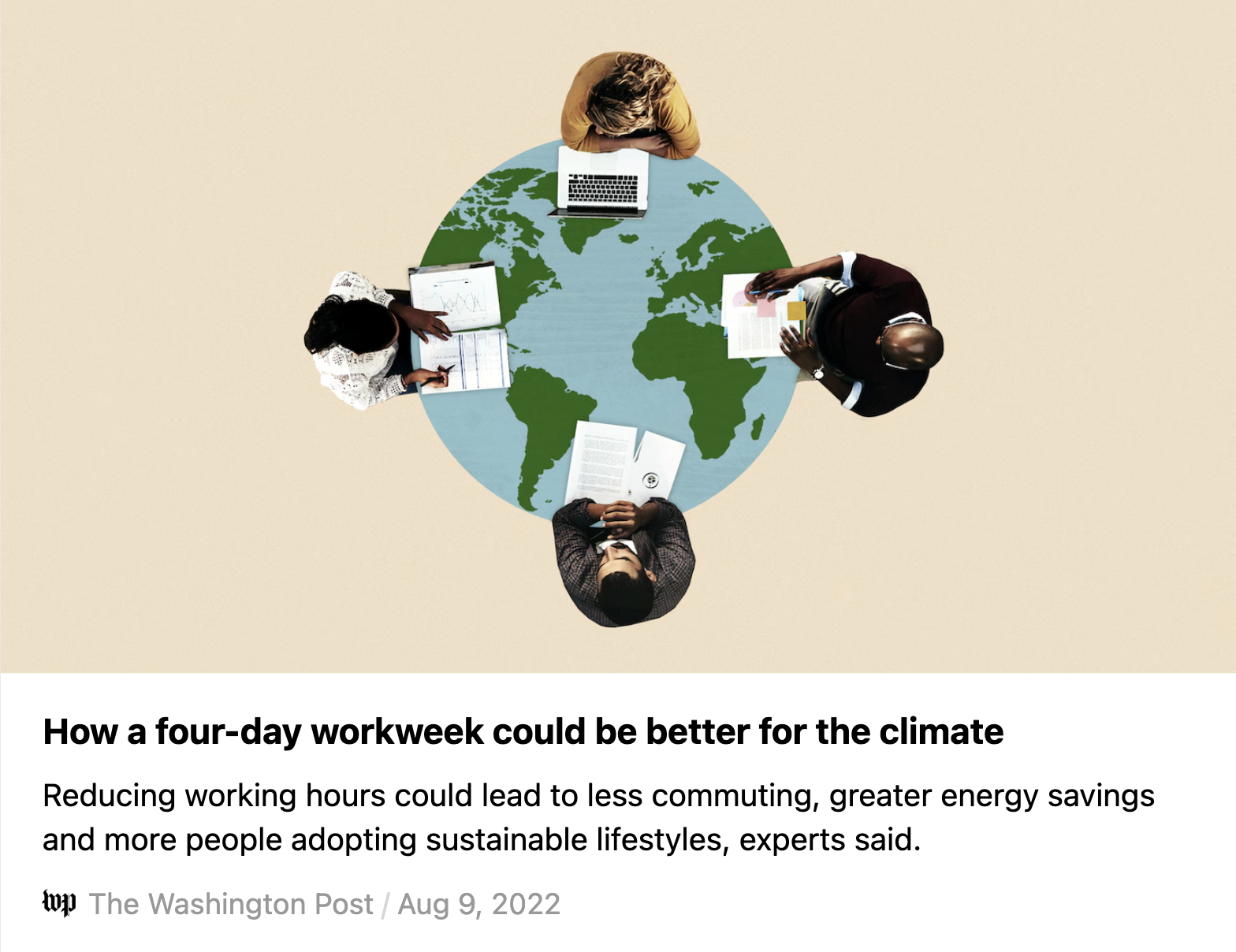
Charlotte’s drive to advocate for reduced-hour working stems from a desire to create better family and health outcomes, as well as the flow-on benefit to the environment. The 4 day week concept has been touted as being better for our climate, which is backed up by independent research from respected international institutions such as Henley Business School (which wrote a white paper on the subject) and UC Davis.

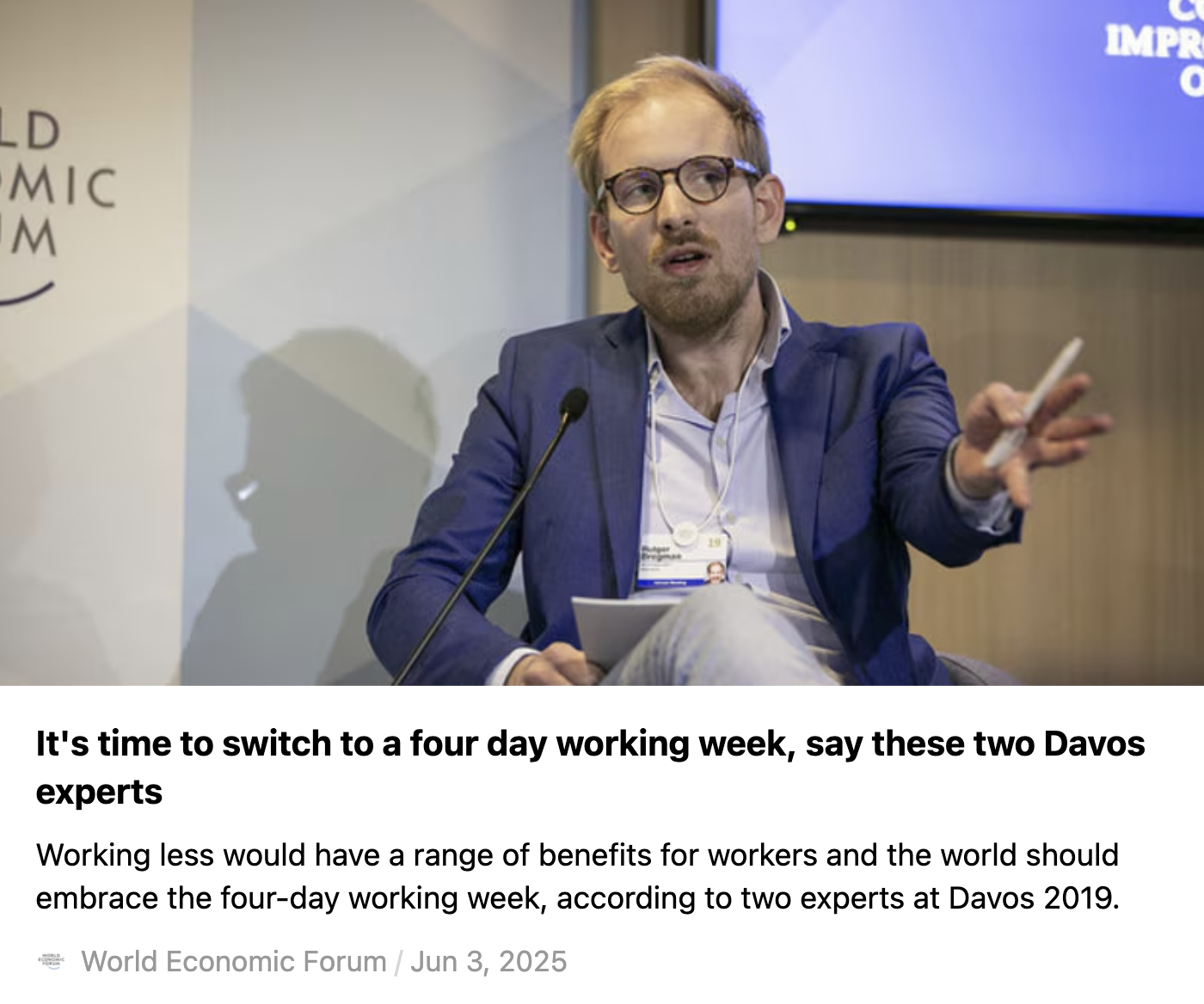
Charlotte’s drive and promotion of the 4 Day Week and the success of the 2018 trial at Perpetual Guardian added significant credibility to the movement. So much so that in 2019, at the World Economic Forum annual meeting in Davos, the 4 Day Week was raised as a concept that the world should embrace – both Adam Grant, a psychologist from the Wharton School in Pennsylvania and Economist and historian Rutger Bregman spoke at the meeting about the evidence-based benefits to workers and employers of working a four-day week.
Charlotte led the organisation as CEO with her characteristic tenacity, vision, and relationship-building skills. She brought in an organisational leadership structure and made the 4 Day Week a reality by bringing together the team that helped drive the pilot programmes in the UK, Ireland, the US, Canada, Australia, New Zealand, South Africa, Portugal, and Spain.
The World Economic Forum has followed the growth of the movement since 2018 and has written on the benefits numerous times, with various world leaders adding their voices. The topic was heard again at the 2022 World Economic Forum in Davos with a panel discussion on the 4 Day Week.
What Sets Us Apart
Charlotte has been a leading voice on changing the world of work for the last few years – turning this from a ‘crazy idea’ to making the TIME100 Most Influential Companies list– with her commentary and advocacy being frequently used as a reference point in all major media outlets such as New York Times, Forbes and Fortune– Forbes in particular has reported on the movement and had extensive conversations with Charlotte over the years
For her work in 4 Day Week Global, Charlotte and the 4 Day Week movement were named in the 20 LinkedIn Big Ideas for 2020 list. In 2022, Charlotte, along with Andrew Barnes, was named as part of the Forbes' inaugural list of 50 leaders, executives, thinkers and teams who are shaping the office of tomorrow, today

In mid-2025, Charlotte and Andrew handed the 4 Day Week Global baton to two exceptional leaders: Karen Lowe and Debbie Bailey who now run the organisation as co-CEOs.
Charlotte and Andrew remain strong proponents of the 4 day week movement, speaking regularly with media, businesses and policy makers to advocate on our future of work.